
June 17, 2026 · Bagging Machine Guide
Choosing between a semi-automatic bagging machine and a fully automatic bagging machine is one of the first decisions many factories face when upgrading a packaging line. The right choice depends on your bag weight, required capacity, labor cost, available floor space, packaging material and long-term expansion plan.
For rice, grain, seed, feed, flour and other bulk materials, both solutions can work well. The key is not simply choosing the most expensive machine. The best solution is the one that matches your real production conditions and helps you pack reliably every day.
What Is a Semi-Automatic Bagging Machine?
A semi-automatic bagging machine usually completes weighing and filling automatically, while operators manually place empty bags and assist with sewing or sealing. It is commonly used for 5 kg, 10 kg, 25 kg and 50 kg bags in small and medium production plants.
This type of machine is popular because it is flexible, practical and cost-effective. It is a good choice when production capacity is moderate, labor is available and the factory wants to improve accuracy without investing in a complete automatic line at the beginning.
What Is a Fully Automatic Bagging Machine?
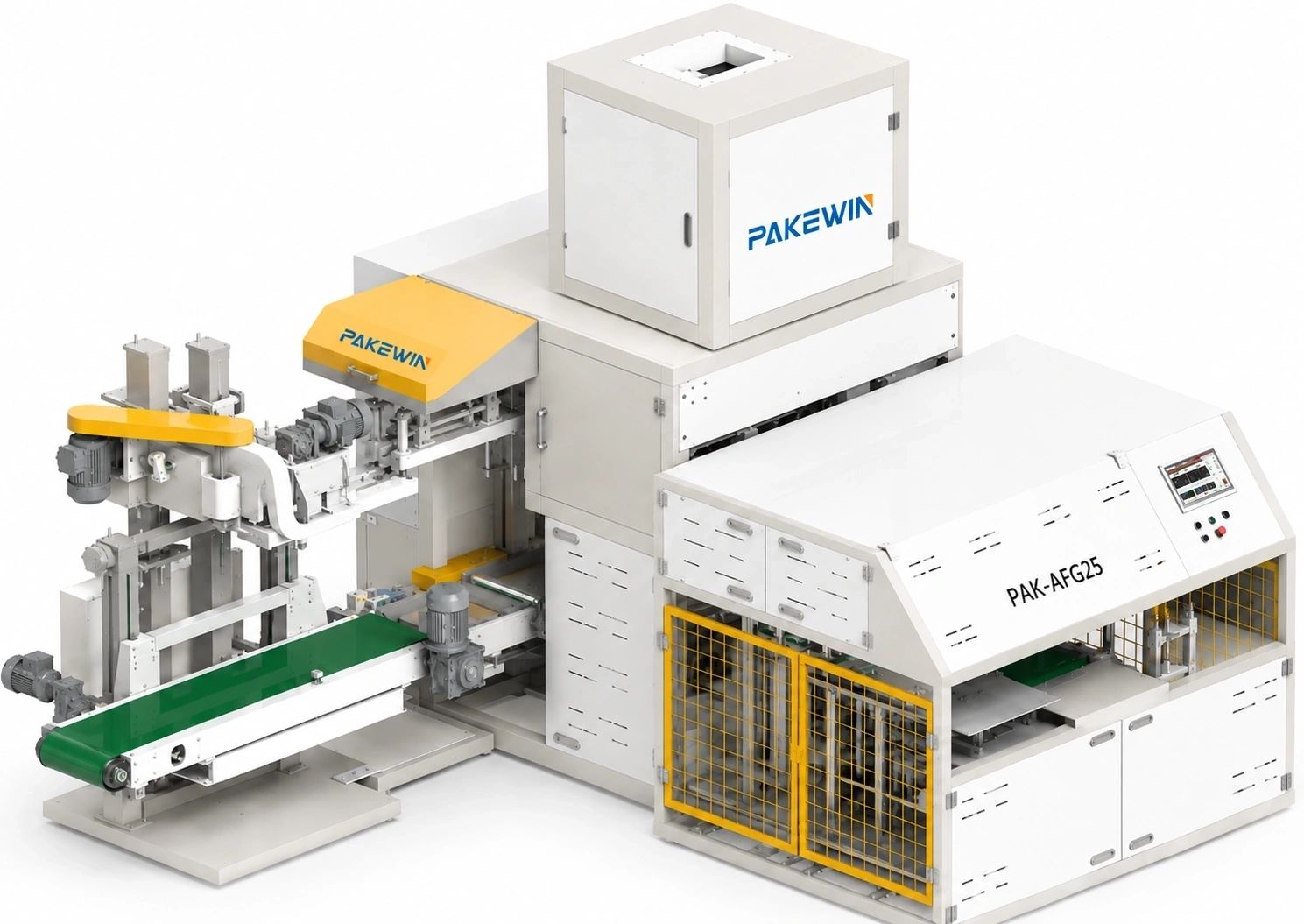
A fully automatic bagging machine can complete bag feeding, weighing, filling, bag clamping, sealing or sewing, conveying and sometimes check weighing with much less manual operation. It is designed for factories that need higher output, more stable production and lower labor dependency.
For larger rice mills, grain processing plants and feed factories, a fully automatic system can become the core of a complete packaging line. It can also connect with conveyors, metal detectors, check weighers and robotic palletizing systems.
Key Differences Buyers Should Compare
1. Production Capacity
Semi-automatic bagging machines are suitable for medium output and flexible daily operation. Fully automatic bagging machines are better when the factory needs continuous high-speed packing and stable output across multiple shifts.
2. Labor Requirement
Semi-automatic systems still require operators to place bags and monitor the process. Fully automatic systems reduce manual bag handling and can help factories lower long-term labor costs.
3. Investment Cost
A semi-automatic machine usually has a lower initial investment. A fully automatic machine costs more at the beginning, but it may reduce labor, improve efficiency and support future production growth.
4. Packaging Accuracy
Both types can achieve good weighing accuracy when equipped with stable load cells and reliable control systems. For high-speed applications, the feeding method and control logic become especially important.
5. Factory Space and Layout
Semi-automatic machines often require less space and are easier to install in existing factories. Fully automatic systems need a more complete layout plan, especially when conveyors and palletizing equipment are included.
When Should You Choose Semi-Automatic Bagging?
A semi-automatic bagging machine is usually suitable when your daily output is not extremely high, your budget is limited, your operators are available, or you need flexibility for different bag sizes and materials. It is also a good first step for factories upgrading from manual weighing and packing.
When Should You Choose Fully Automatic Bagging?
A fully automatic bagging machine is the better choice when production is continuous, labor cost is rising, output requirements are high, or the factory plans to build a complete automatic packaging line. It is also more suitable when consistent bag appearance and line integration are important.
Can You Upgrade Later?
Yes. Many factories start with a semi-automatic weighing and bagging machine, then add automatic bag feeding, conveying, check weighing, metal detection and robotic palletizing later. A modular layout can protect the first investment and make future expansion easier.
PAKEWIN Recommendation
If you are not sure which solution is right for your project, prepare the following information before contacting a supplier: material type, bag weight, target capacity, bag material, available factory space, labor situation and whether palletizing is required.
PAKEWIN provides semi-automatic bagging machines, fully automatic bagging machines, vacuum packing machines, process weighing systems and complete automatic packaging lines. Our team can help you compare different configurations and select a practical solution for your factory.