
August 7, 2026 | Food Packaging Automation | By PAKEWIN Engineering Team
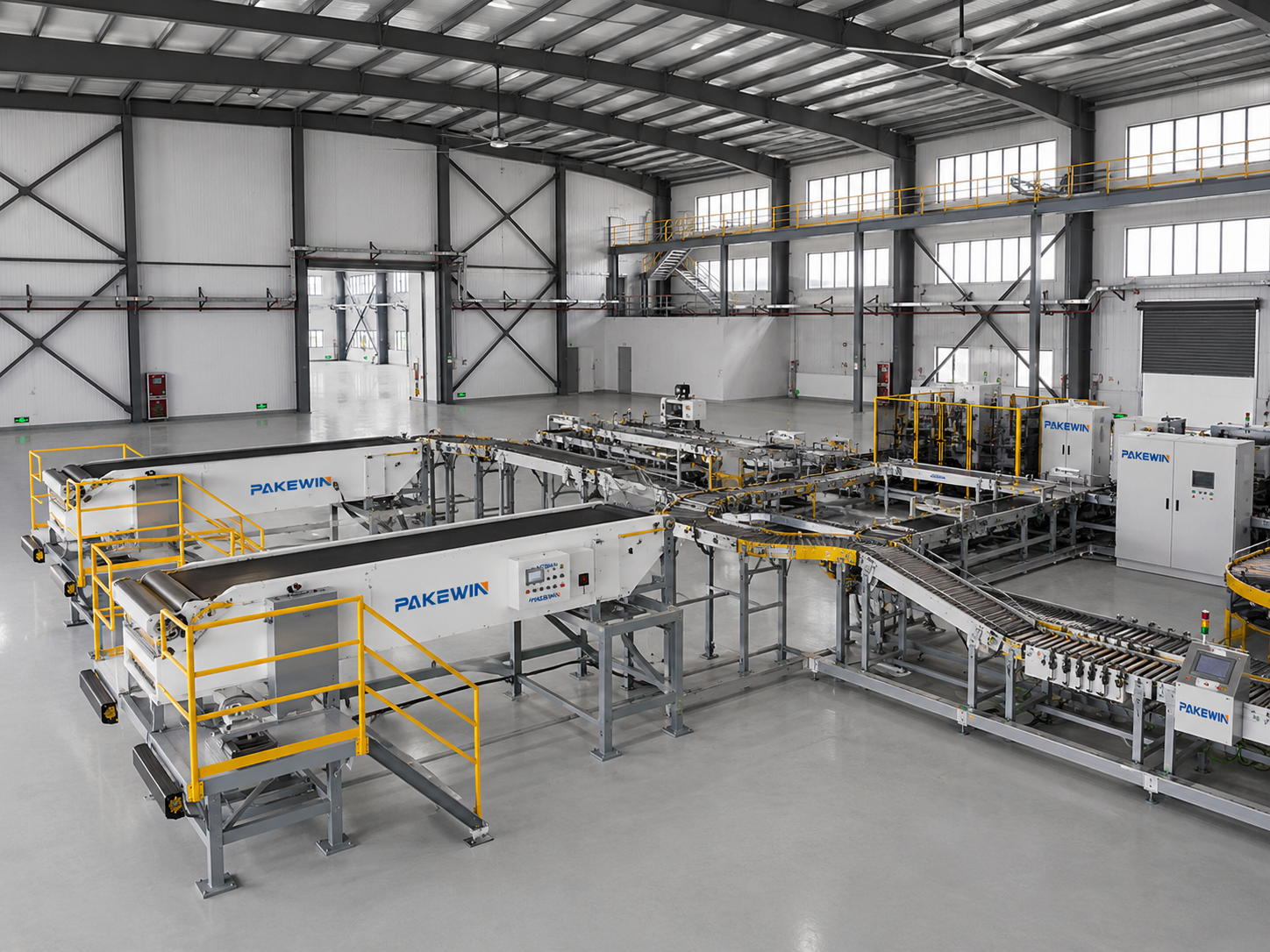
Food packaging automation is no longer only about increasing production speed. In 2026, food manufacturers are looking for packaging systems that can reduce labor dependency, handle more product variations, shorten changeover time and support recyclable packaging formats.
The right automation solution should improve the complete production process—not just one individual machine. This means evaluating packaging equipment based on productivity, flexibility, material compatibility, quality control, maintenance and long-term return on investment.
Why Food Manufacturers Are Investing in Packaging Automation
Food manufacturers are facing several operational challenges at the same time.
Labor shortages make it more difficult to recruit and retain experienced operators. At the same time, consumers expect more product choices, which leads to a greater number of SKUs and more frequent production changeovers.
Sustainability is also changing the way products are packaged. Many manufacturers are testing recyclable films, mono-material packaging and lightweight packaging formats. These materials can require different forming, sealing and handling conditions.
As a result, packaging automation is becoming a strategic investment. The goal is not only to produce more packages per minute, but also to build a production line that is easier to operate, more flexible and ready for future product and material changes.
What to Consider When Choosing Food Packaging Automation
1. Production Speed and Actual Throughput
The first question is usually how many packages the machine can produce per minute. However, the advertised maximum speed is not always the same as the actual production output.
When comparing packaging machinery, ask for production data under conditions similar to your own products. Product shape, package size, film type, sealing temperature and operator experience can all affect the final output.
Important questions include:
- What is the expected average output?
- What is the maximum machine speed?
- How much production time is lost during stops and adjustments?
- Can the machine maintain stable quality at the target speed?
A reliable system should provide consistent throughput, not just a high speed during a short demonstration.
2. Changeover Time and Product Flexibility
Many food manufacturers produce multiple products on the same line. This makes changeover time an important factor in overall efficiency.
A flexible packaging line should make it easy to adjust product dimensions, package sizes and production recipes. Tool-free adjustments, recipe management and clearly marked changeover points can reduce downtime and simplify operation.
Before purchasing equipment, ask:
- How long does a typical changeover take?
- Which parts need to be replaced or adjusted?
- Can recipes be stored in the control system?
- Can the same line handle different package formats?
Reducing changeover time can increase available production hours without adding another complete production line.
3. Labor Requirements and Ease of Operation
Automation should reduce repetitive manual work while making the production process easier to control.
A well-designed packaging system can automate feeding, filling, sealing, inspection, coding, cartoning and palletizing. It can also reduce the number of operators needed for routine tasks.
However, operator training remains important. The machine should have an intuitive interface, clear alarms and simple procedures for cleaning, adjustment and maintenance.
When evaluating a system, consider:
- How many operators are required?
- How long does operator training take?
- Can common problems be diagnosed quickly?
- Are cleaning and maintenance procedures easy to follow?
The best automation solution is not always the most complex one. It is the one that delivers stable performance with the available workforce.
4. Compatibility with Recyclable Packaging Materials
Sustainability requirements are encouraging manufacturers to use recyclable films, mono-material structures and lightweight packaging materials.
These materials may have different sealing windows, stiffness, friction characteristics and forming behavior. Packaging machinery must therefore be designed or configured to handle the selected material reliably.
Ask your equipment supplier:
- Which film and packaging materials have been tested?
- Can the sealing system be adjusted for different materials?
- Is the machine compatible with thinner films?
- Can the line be upgraded when packaging materials change?
Material compatibility should be tested with real products and real packaging materials before the final purchase decision.
5. Quality Inspection and Traceability
Modern food packaging lines increasingly combine packaging equipment with inspection and traceability systems.
Vision inspection can help identify missing products, incorrect package positions, damaged packages or printing errors. Checkweighers and metal detectors can support quality and food safety requirements.
A connected system can also record production data, alarm history, reject rates and maintenance information.
Important features may include:
- Vision inspection
- Checkweighing
- Metal detection
- Barcode or QR code verification
- Batch and date coding
- Production data collection
- Automatic product rejection
These systems can reduce manual inspection work and provide better visibility into production performance.
Three Automation Solutions for Different Food Manufacturers
Small and Growing Food Companies
Smaller manufacturers may not need a fully automated production line immediately. A practical approach is to automate the most labor-intensive or error-prone operations first.
This could include automatic feeding, sealing, labeling, checkweighing or case packing. Modular equipment allows the line to grow as production volume increases.
Manufacturers with Many SKUs
Companies with frequent product changes should prioritize flexible equipment, fast changeovers and recipe management.
The ability to switch between products quickly can be more valuable than achieving the highest possible speed for a single product.
Large-Scale Food Production Facilities
Large factories may benefit from integrated lines that connect primary packaging, secondary packaging, inspection, case packing, palletizing and production data systems.
For these projects, line integration, preventive maintenance, remote support and long-term spare parts availability are especially important.
How to Evaluate the Return on Investment
The return on investment should include more than labor savings.
A basic calculation is:
Payback period = Total automation investment ÷ Annual measurable benefits
Potential benefits may include:
- Reduced labor costs
- Higher production output
- Less packaging material waste
- Fewer product errors
- Lower rework costs
- Reduced unplanned downtime
- Improved production consistency
The final calculation should be based on your actual products, operating hours, labor costs, production targets and maintenance requirements.
A supplier should be able to explain the assumptions behind its production and efficiency estimates.
Questions to Ask a Packaging Machinery Supplier
Before selecting a food packaging automation system, ask:
1. Can you provide examples of similar food packaging projects? 2. What is the expected average production output? 3. How long does a standard changeover take? 4. Which packaging materials are supported? 5. Can we test our products and materials before purchase? 6. How many operators are required? 7. What inspection and traceability options are available? 8. Can the equipment connect with our existing production line? 9. What training and after-sales support are included? 10. How quickly can spare parts and technical assistance be provided?
These questions can help manufacturers compare suppliers based on real production requirements instead of machine specifications alone.
Conclusion
The best food packaging automation solution is not simply the fastest machine. It is a system that matches your products, packaging materials, production volume, labor conditions and future growth plans.
In 2026, manufacturers should focus on flexible changeovers, reliable quality control, recyclable material compatibility, easy operation and measurable total cost of ownership.
If you are planning a food packaging automation project, share your product type, package format, target speed and current production challenges with an experienced packaging machinery supplier. A preliminary line assessment can help identify the right equipment configuration before investment decisions are made.
Planning a food packaging automation project? Contact our engineers for a preliminary packaging line assessment.